Smart Choices for Insulation Projects: A Homeowner’s Planning Guide
Planning begins with a clear scope. Define which spaces need help—attic, walls, crawlspace, or mechanical runs—and document the symptoms you notice, such as uneven temperatures or drafty zones. Then align your comfort goals with practical constraints like access, roof pitch, and current ventilation. A concise brief helps any Thermal insulation contractor estimate accurately while reducing surprises once work starts and materials are on site.
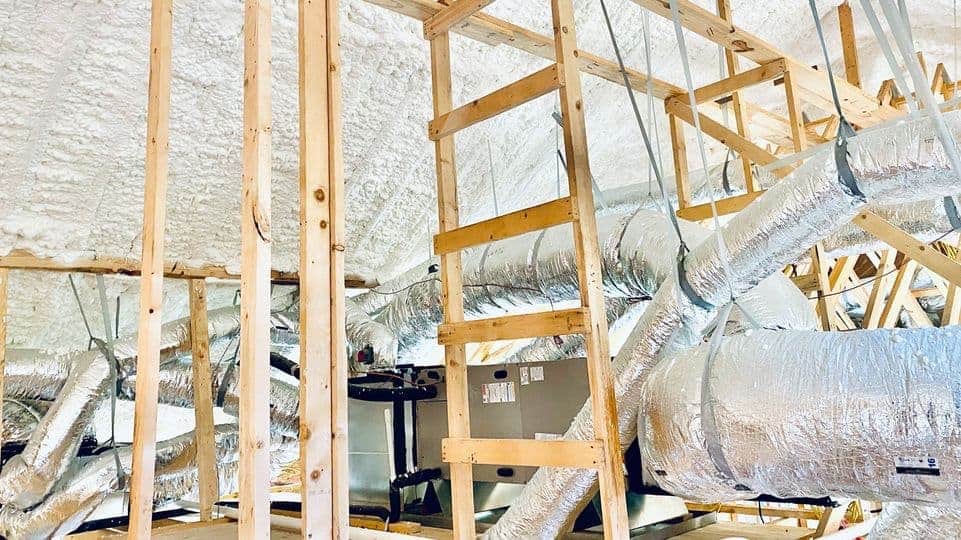
Beyond that, material selection deserves a methodical look. R-values matter, yet density, air sealing capability, and moisture behavior all influence outcomes. Spray foam insulation often shines for air control, while Blown-in cellulose insulation offers robust coverage in irregular cavities. Rigid foam insulation can bolster thermal performance at roof decks or exterior walls. Match the product to the assembly, climate demands, and long-term serviceability of the structure.
Meanwhile, think workflow. Good contractors assess existing insulation, verify ventilation, and inspect for air leaks before adding new layers. They sequence tasks to avoid trapping moisture, blocking soffits, or compressing materials. Attic insulation should not crowd mechanical clearances or bury junction boxes without proper extensions. A smart sequence protects safety, preserves service access, and preserves the performance you’re paying for.
Often, attic ventilation and air sealing are the hidden levers. Soffit, ridge, or gable strategies must remain unobstructed as coverage increases. Penetrations around light fixtures, chases, and top plates are common heat-loss culprits; sealing them first amplifies the value of added insulation services. Proper baffle installation maintains airflow while preventing wind-wash that can undermine effective R-value at eaves.
However, moisture risk demands equal attention. Warm interior air leaking into cold spaces can create condensation, encouraging mold growth and material degradation. Attic mold prevention hinges on air sealing, correct ventilation, and appropriate vapor control. Where ducts run through unconditioned zones, Duct insulation and sealing reduce condensation potential while easing load on HVAC equipment, improving comfort stability across seasons.
Then, weigh removal versus overlay. If existing material is contaminated, compressed, or damp, an Insulation Removal Contractor can reset the assembly to a clean baseline. In other cases, topping up with Blown-in fiberglass insulation may be sufficient. Validate the plan after a thorough inspection, noting any code-related clearances for chimneys or flues, and confirming safe distances from recessed lighting or other heat sources.
In practice, access and staging affect both cost and disruption. Tight hatches, steep roofs, and limited parking change production rates and disposal logistics. Protecting walkways, bagging debris, and setting dust controls minimize mess. Clear communication on start times, power availability, and noise windows helps projects finish smoothly while respecting occupants’ routines and any sensitive business operations nearby.
Next, ask about documentation and quality checks. Request before-and-after photos, depth markers for blown products, and air sealing notes. Calibrate expectations for settling where applicable, and verify that labels, product data, and warranty information are left on site. A brief handoff walkthrough helps you understand maintenance touchpoints, from keeping vents clear to spotting signs of pest intrusion or moisture migration.
Finally, plan for lifecycle care. Seasonal inspections, especially after big storms or roof work, catch disturbances early. If you add can lights, run new wiring, or relocate ducts, re-check thermal boundaries and reseal any new penetrations. Small adjustments—like reestablishing baffles or fluffing areas compressed by storage—help preserve long-term performance without major reinvestment.
Ultimately, selecting the right partner is about fit. Seek a contractor who will assess, sequence, and validate each step rather than selling a single material for every problem. When estimates explain choices across spray foam insulation, blown options, and rigid board, you can compare apples to apples and choose a path that balances comfort, durability, and responsible installation practices.